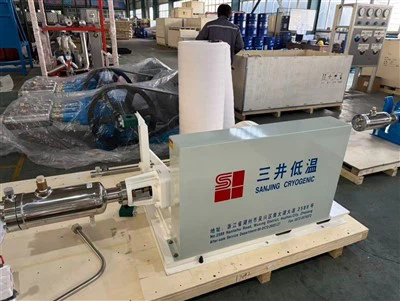


As a supplier of L-CNG high pressure pumps, I've witnessed firsthand the complexity of determining the price of these essential pieces of equipment. The price of an L-CNG high pressure pump is not arbitrarily set; rather, it is influenced by a multitude of factors that span from the pump's design and manufacturing to market dynamics and regulatory requirements. In this blog, I'll delve into the key factors that play a role in determining the price of an L-CNG high pressure pump.
1. Design and Engineering
The design and engineering of an L-CNG high pressure pump are fundamental to its performance and, consequently, its price. Pumps designed for high-pressure applications require sophisticated engineering to ensure they can handle the extreme conditions associated with compressing liquefied natural gas (LNG) to high pressures.
- Material Selection: High-quality materials are essential for the durability and reliability of L-CNG high pressure pumps. Components such as pistons, cylinders, and valves are often made from specialized alloys that can withstand high pressures, corrosion, and cryogenic temperatures. For example, stainless steel alloys with high strength and corrosion resistance are commonly used. The cost of these materials can significantly impact the overall price of the pump.
- Advanced Design Features: Pumps with advanced design features, such as optimized flow paths, efficient compression mechanisms, and low-friction components, tend to be more expensive. These features can improve the pump's efficiency, reduce energy consumption, and extend its service life. For instance, a Cryogenic Reciprocating Pump may incorporate innovative valve designs to enhance flow control and reduce pressure losses.
2. Manufacturing Process
The manufacturing process of an L-CNG high pressure pump is another crucial factor in determining its price. Precision manufacturing techniques are required to ensure the pump meets the strict quality and performance standards.


- Precision Machining: The components of an L-CNG high pressure pump need to be machined with high precision to ensure proper fit and function. This often involves the use of advanced machining equipment, such as computer numerical control (CNC) machines, which can produce parts with tight tolerances. The cost of precision machining, including the equipment, labor, and quality control processes, adds to the overall price of the pump.
- Assembly and Testing: The assembly of an L-CNG high pressure pump is a complex process that requires skilled technicians. Each component must be carefully installed and calibrated to ensure the pump operates smoothly and efficiently. After assembly, the pump undergoes rigorous testing to verify its performance, including pressure testing, flow testing, and leak testing. The time and resources required for assembly and testing contribute to the pump's price.
3. Performance and Capacity
The performance and capacity of an L-CNG high pressure pump are directly related to its price. Pumps with higher performance and greater capacity generally cost more.
- Flow Rate: The flow rate of a pump refers to the volume of LNG it can deliver per unit of time. Pumps with higher flow rates are capable of handling larger volumes of LNG, which is often required in high-capacity L-CNG refueling stations or industrial applications. These pumps typically require larger components and more powerful motors, resulting in a higher price.
- Pressure Rating: The pressure rating of a pump indicates the maximum pressure it can generate. Pumps designed for higher pressure applications require more robust construction and stronger materials to withstand the increased stress. As a result, pumps with higher pressure ratings are more expensive than those with lower pressure ratings.
4. Brand and Reputation
The brand and reputation of the pump manufacturer can also influence the price of an L-CNG high pressure pump. Well-established brands with a proven track record of quality and reliability often command a premium price.
- Quality Assurance: Reputable manufacturers have strict quality control processes in place to ensure their pumps meet or exceed industry standards. They use high-quality materials, advanced manufacturing techniques, and rigorous testing procedures to produce reliable and durable pumps. Customers are often willing to pay more for a pump from a trusted brand because they have confidence in its performance and longevity.
- After-Sales Support: A manufacturer's after-sales support is an important consideration for customers. Brands that offer comprehensive after-sales support, such as technical assistance, maintenance services, and spare parts availability, are more likely to charge a higher price for their pumps. This is because customers value the peace of mind that comes with knowing they can rely on the manufacturer for support throughout the pump's lifespan.
5. Market Demand and Supply
The market demand and supply for L-CNG high pressure pumps also play a role in determining their price.
- Demand: The demand for L-CNG high pressure pumps is influenced by factors such as the growth of the L-CNG industry, the expansion of L-CNG refueling infrastructure, and the increasing adoption of natural gas as a transportation fuel. When demand is high, manufacturers may increase their prices to capitalize on the market opportunity.
- Supply: The supply of L-CNG high pressure pumps is affected by factors such as production capacity, raw material availability, and manufacturing lead times. If the supply of pumps is limited, prices may rise due to the scarcity of the product. Conversely, if there is an oversupply of pumps in the market, prices may decrease as manufacturers compete for customers.
6. Regulatory Requirements
Regulatory requirements can have a significant impact on the price of an L-CNG high pressure pump. Pumps must comply with various safety, environmental, and performance standards set by regulatory bodies.
- Safety Standards: Safety is a top priority in the L-CNG industry, and pumps must meet strict safety standards to ensure the protection of personnel and property. These standards may include requirements for pressure relief valves, emergency shutdown systems, and leak detection devices. The cost of incorporating these safety features into the pump design and manufacturing process can increase its price.
- Environmental Regulations: Environmental regulations also play a role in the design and manufacturing of L-CNG high pressure pumps. Pumps must be designed to minimize emissions and reduce environmental impact. This may involve the use of energy-efficient components, advanced sealing technologies, and environmentally friendly materials. The cost of complying with environmental regulations adds to the overall price of the pump.
7. Customization and Special Features
Customers often have specific requirements for their L-CNG high pressure pumps, which may require customization or the addition of special features. These customizations and special features can increase the price of the pump.
- Custom Design: Some customers may require a pump with a unique design to fit their specific application or installation requirements. This may involve modifying the pump's dimensions, inlet and outlet connections, or control systems. The cost of custom design, including engineering and prototyping, can be significant.
- Special Features: Special features, such as remote monitoring capabilities, automated control systems, or explosion-proof enclosures, can enhance the functionality and safety of an L-CNG high pressure pump. However, these features also add to the pump's complexity and cost.
In conclusion, the price of an L-CNG high pressure pump is determined by a combination of factors, including design and engineering, manufacturing process, performance and capacity, brand and reputation, market demand and supply, regulatory requirements, and customization and special features. As a supplier of High Pressure Cryogenic Reciprocating Pump and Reciprocating Cryogenic Pump, we understand the importance of providing high-quality pumps at competitive prices. We work closely with our customers to understand their needs and offer customized solutions that meet their specific requirements.
If you are in the market for an L-CNG high pressure pump, we invite you to contact us to discuss your project. Our team of experts will be happy to provide you with detailed information about our products and services and help you select the right pump for your application. We look forward to the opportunity to work with you and contribute to the success of your L-CNG project.
References
- "High Pressure Pumps for L-CNG Applications: Design, Performance, and Cost Considerations." Journal of Natural Gas Technology, Vol. XX, No. XX, 20XX.
- "The Impact of Regulatory Requirements on the Price of L-CNG High Pressure Pumps." International Journal of Energy and Environmental Engineering, Vol. XX, No. XX, 20XX.
- "Market Analysis of L-CNG High Pressure Pumps: Trends, Demand, and Supply." Energy Market Review, Vol. XX, No. XX, 20XX.