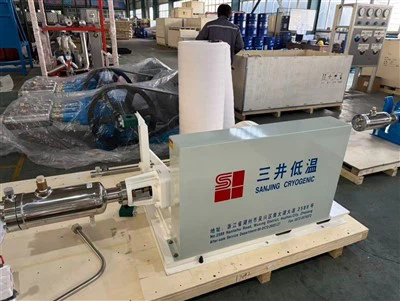


Maintaining a reciprocating pump is crucial for ensuring its long - term performance and reliability. As a reciprocating pump supplier, I have witnessed firsthand the significance of proper maintenance in various industrial applications. In this blog, I will share some key strategies and best practices on how to maintain a reciprocating pump effectively.
Understanding the Reciprocating Pump
Before diving into maintenance procedures, it is essential to have a basic understanding of reciprocating pumps. A reciprocating pump uses a piston, plunger, or diaphragm to displace the fluid. The pumping action is achieved through a reciprocating motion, which creates a positive displacement of the fluid. These pumps are widely used in industries such as oil and gas, chemical processing, water treatment, and power generation due to their ability to handle high - pressure and high - viscosity fluids.
There are different types of reciprocating pumps available in the market, such as L - CNG High Pressure Pumps, High Pressure Cryogenic Reciprocating Pump, and Multistage Reciprocating Pump. Each type has its own unique features and requirements, but the fundamental maintenance principles remain the same.
Regular Inspection
Regular inspection is the cornerstone of reciprocating pump maintenance. It allows you to identify potential problems early and take corrective actions before they escalate into major issues.
Visual Inspection
A visual inspection should be carried out on a daily or weekly basis, depending on the pump's operating conditions. Check for any signs of leaks, such as oil or fluid seepage around the pump casing, valves, and seals. Look for loose or damaged bolts, nuts, and other fasteners. Inspect the pump's exterior for any signs of corrosion, which can weaken the pump structure over time.
Valve Inspection
The valves in a reciprocating pump are critical components that control the flow of fluid in and out of the pump chambers. Regularly inspect the valves for wear, damage, or clogging. A worn - out valve can cause a loss of pump efficiency, increased energy consumption, and even pump failure. Check the valve seats for proper sealing and the valve springs for any signs of fatigue.
Piston or Plunger Inspection
The piston or plunger is responsible for creating the reciprocating motion that drives the fluid through the pump. Inspect the piston or plunger for wear, scoring, or damage. Measure its diameter regularly to ensure it is within the specified tolerance. A worn - out piston or plunger can lead to reduced pump output and increased fluid leakage.
Lubrication
Proper lubrication is essential for the smooth operation of a reciprocating pump. Lubrication reduces friction between moving parts, prevents wear and tear, and dissipates heat generated during operation.
Selecting the Right Lubricant
The choice of lubricant depends on the type of pump, the operating conditions, and the type of fluid being pumped. For high - pressure applications, a high - viscosity lubricant may be required. In cryogenic applications, a lubricant with low - temperature properties is necessary. Consult the pump manufacturer's recommendations to select the appropriate lubricant.
Lubrication Schedule
Establish a regular lubrication schedule based on the pump's operating hours and the manufacturer's guidelines. Over - lubrication can cause excessive heat buildup and seal damage, while under - lubrication can lead to premature wear of moving parts. Use the correct lubrication method, such as oil bath lubrication or forced - feed lubrication, depending on the pump design.
Seal Maintenance
Seals play a crucial role in preventing fluid leakage from the pump. There are different types of seals used in reciprocating pumps, such as packing seals and mechanical seals.


Packing Seals
Packing seals are made of soft materials, such as graphite or PTFE, and are used to seal the shaft of the pump. Regularly check the packing gland for proper compression. If the packing is too loose, it will cause leakage; if it is too tight, it will increase friction and wear on the shaft. Adjust the packing gland as needed to maintain a proper seal.
Mechanical Seals
Mechanical seals are more reliable and efficient than packing seals, but they also require proper maintenance. Check the mechanical seals for any signs of leakage, wear, or damage. Replace the mechanical seal if it is worn beyond the recommended limit. Ensure that the seal faces are clean and free from debris to prevent premature failure.
Alignment and Balance
Proper alignment and balance of the reciprocating pump are essential for its smooth operation and long - term reliability.
Alignment
Misalignment can cause excessive vibration, increased wear on bearings and seals, and reduced pump efficiency. Use laser alignment tools to ensure that the pump and the motor are properly aligned. Check the alignment regularly, especially after any maintenance work or if there are any signs of vibration.
Balance
Imbalance in the reciprocating pump can also lead to excessive vibration and premature wear of components. Perform a dynamic balancing test on the pump to ensure that the rotating parts are balanced. If an imbalance is detected, make the necessary adjustments or replace the imbalanced components.
Monitoring and Control
Monitoring the pump's performance is an important part of maintenance. Install sensors to measure parameters such as pressure, temperature, flow rate, and vibration. Continuous monitoring allows you to detect any abnormal changes in the pump's operation and take corrective actions promptly.
Pressure Monitoring
Monitor the inlet and outlet pressures of the pump. Abnormal pressure fluctuations can indicate problems such as clogged valves, worn - out pistons, or a malfunctioning pressure control system. Set up pressure alarms to alert operators when the pressure exceeds the normal operating range.
Temperature Monitoring
Monitor the temperature of the pump's bearings, cylinders, and lubricating oil. High temperatures can be a sign of excessive friction, poor lubrication, or a mechanical problem. If the temperature rises above the recommended limit, stop the pump immediately and investigate the cause.
Vibration Monitoring
Vibration is a common indicator of pump problems. Install vibration sensors to monitor the pump's vibration levels. Excessive vibration can be caused by misalignment, imbalance, worn - out bearings, or loose components. Analyze the vibration data regularly to detect any potential issues.
Training and Documentation
Proper training of operators and maintenance personnel is essential for effective reciprocating pump maintenance. Provide training on the pump's operation, maintenance procedures, safety precautions, and troubleshooting techniques.
Documentation
Maintain detailed documentation of the pump's maintenance history, including inspection reports, lubrication records, and component replacement dates. This documentation will help you track the pump's performance over time, identify recurring problems, and plan for future maintenance.
Conclusion
Maintaining a reciprocating pump requires a comprehensive approach that includes regular inspection, proper lubrication, seal maintenance, alignment, monitoring, training, and documentation. By following these best practices, you can ensure the long - term performance and reliability of your reciprocating pump, reduce downtime, and save on maintenance costs.
If you are in the market for a reciprocating pump or need further advice on pump maintenance, we are here to help. As a leading reciprocating pump supplier, we offer a wide range of high - quality pumps and professional technical support. Contact us to discuss your specific requirements and start a procurement negotiation.
References
- Pump Handbook, Karassik et al.
- Maintenance and Troubleshooting of Reciprocating Pumps, Industry - specific technical literature.