

What is the Price Range of L - CNG High Pressure Pumps?
As a seasoned supplier of L - CNG High Pressure Pumps, I've witnessed firsthand the dynamic nature of the market and the varying price ranges that come with these essential pieces of equipment. In this blog, I'll delve into the factors influencing the price of L - CNG high - pressure pumps and provide an overview of the typical price range.
Factors Affecting the Price of L - CNG High Pressure Pumps
-
Pump Capacity and Flow Rate
The capacity and flow rate of an L - CNG high - pressure pump are significant determinants of its price. Pumps with higher flow rates and larger capacities are generally more expensive. This is because they require more robust components, larger motors, and more advanced engineering to handle the increased volume and pressure. For example, a pump designed to handle a high flow rate of 100 cubic meters per hour will likely cost more than one with a flow rate of 50 cubic meters per hour. -
Pressure Rating
The pressure rating of the pump is another crucial factor. High - pressure pumps that can achieve extremely high pressures, such as those used in industrial applications where high - pressure injection is required, are more costly. These pumps need to be built with high - strength materials and precision engineering to withstand the intense pressure. A pump with a pressure rating of 3000 psi will typically be more expensive than one with a rating of 1500 psi. -
Material Quality
The materials used in the construction of the pump play a vital role in its price. Pumps made from high - quality materials, such as stainless steel or special alloys, are more expensive than those made from standard materials. High - quality materials offer better corrosion resistance, durability, and performance, which are essential in the harsh operating conditions of L - CNG applications. For instance, a pump with a stainless - steel housing and internal components will have a higher price tag compared to a pump with a cast - iron housing. -
Manufacturing Technology and Brand
Pumps produced using advanced manufacturing technologies and those from well - known brands tend to be more expensive. Advanced manufacturing techniques ensure higher precision, better quality control, and improved performance. Well - established brands often have a reputation for reliability and after - sales service, which adds to the cost. A pump from a leading brand with a long - standing reputation in the industry may cost more than a pump from a lesser - known manufacturer. -
Additional Features and Customization
Pumps with additional features, such as advanced control systems, remote monitoring capabilities, or customized designs, will have a higher price. These features add value to the pump by improving its efficiency, safety, and ease of use. For example, a pump with a built - in automatic shut - off system in case of over - pressure or a pump that can be customized to fit specific installation requirements will be more expensive than a standard model.
Typical Price Range of L - CNG High Pressure Pumps
The price range of L - CNG high - pressure pumps can vary widely depending on the factors mentioned above. Generally, small - scale L - CNG high - pressure pumps with lower flow rates and pressure ratings can start from around $5,000 to $10,000. These pumps are suitable for small - scale applications, such as small filling stations or laboratory use.
For medium - sized pumps with moderate flow rates and pressure ratings, the price can range from $10,000 to $30,000. These pumps are commonly used in medium - sized filling stations and industrial applications where a higher volume of L - CNG needs to be processed.

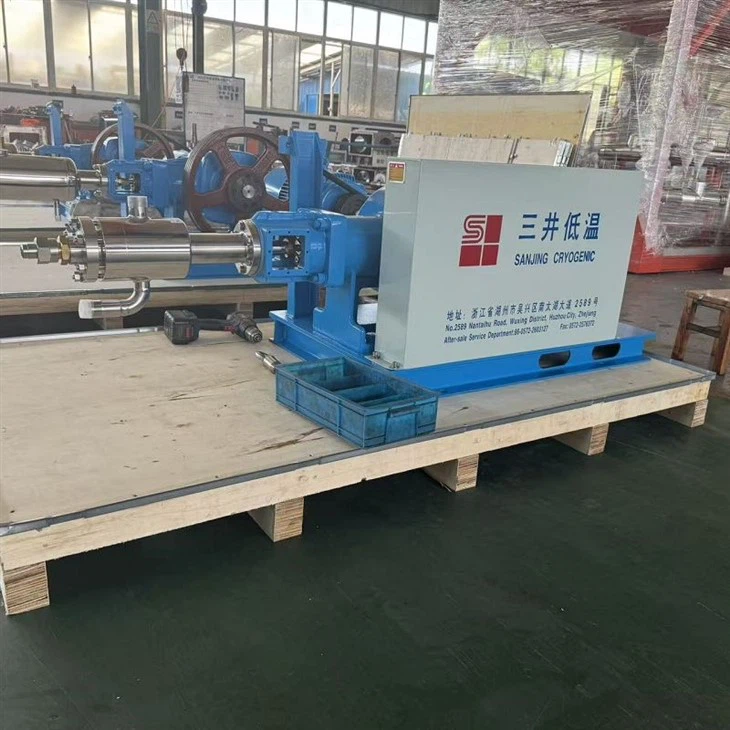
Large - scale, high - capacity L - CNG high - pressure pumps with high - end features and advanced technology can cost upwards of $30,000. These pumps are designed for large - scale industrial applications, major filling stations, and high - demand operations.
It's important to note that these are just approximate price ranges, and the actual price can vary depending on the specific requirements of the customer, market conditions, and the supplier.
Our Offerings
As a supplier of L - CNG High Pressure Pumps, we offer a wide range of pumps to meet different customer needs. Our pumps are designed with the latest technology and high - quality materials to ensure reliable performance and long - term durability.
We have a variety of models, including High Pressure Cryogenic Reciprocating Pump, Carbon Dioxide Reciprocating Pump, and High Pressure Reciprocating Pump. Each of these pumps is engineered to provide efficient and cost - effective solutions for L - CNG applications.
Why Choose Our Pumps?
-
Quality Assurance
We adhere to strict quality control standards in the manufacturing process. Our pumps are tested thoroughly to ensure they meet or exceed industry standards. This ensures that our customers receive pumps that are reliable and perform consistently. -
Customization Options
We understand that every customer has unique requirements. That's why we offer customization options to tailor our pumps to specific needs. Whether it's a special flow rate, pressure rating, or additional features, we can work with you to design a pump that meets your exact specifications. -
Technical Support
Our team of experienced engineers and technicians is available to provide technical support throughout the life of the pump. We offer installation guidance, maintenance advice, and troubleshooting assistance to ensure that your pump operates at its best.
Contact Us for Procurement
If you're in the market for an L - CNG high - pressure pump, we'd love to discuss your requirements. Our team can provide detailed information about our products, pricing, and customization options. We're committed to helping you find the right pump for your application at a competitive price.
Don't hesitate to reach out to us to start the procurement process. We look forward to working with you to meet your L - CNG pumping needs.
References
- Industry reports on L - CNG high - pressure pump market trends.
- Manufacturer specifications and technical data sheets.


