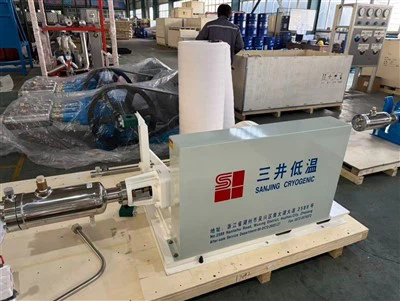


As a seasoned pump skid supplier, I've witnessed firsthand the various challenges that can plague these crucial pieces of equipment. Pump skids are integral to numerous industries, from oil and gas to chemical processing, and their proper functioning is paramount for operational efficiency. In this blog, I'll delve into the common failures of a pump skid, shedding light on the issues that can disrupt operations and lead to costly downtime.
Mechanical Failures
One of the most prevalent types of failures in pump skids is mechanical in nature. These failures can stem from a variety of sources, including wear and tear, improper installation, and inadequate maintenance.
Bearing Failures
Bearings play a critical role in supporting the rotating components of a pump skid, such as the shaft. Over time, bearings can experience excessive wear due to factors like high loads, misalignment, or insufficient lubrication. When bearings fail, they can cause increased vibration, noise, and ultimately, pump failure. To prevent bearing failures, it's essential to follow the manufacturer's recommendations for lubrication and maintenance, as well as to monitor bearing temperature and vibration levels regularly.
Seal Failures
Seals are used to prevent the leakage of fluids from the pump skid. However, seals can deteriorate over time due to factors like chemical exposure, high temperatures, or mechanical stress. When a seal fails, it can result in fluid leakage, which not only wastes valuable resources but can also pose safety hazards. To minimize the risk of seal failures, it's important to select the appropriate seal material for the specific application and to ensure proper installation and maintenance.
Coupling Failures
Couplings are used to connect the pump shaft to the motor shaft, allowing for the transfer of power. However, couplings can experience failures due to factors like misalignment, excessive torque, or fatigue. When a coupling fails, it can cause the pump to stop functioning or can lead to damage to other components. To prevent coupling failures, it's crucial to ensure proper alignment during installation and to monitor coupling condition regularly.
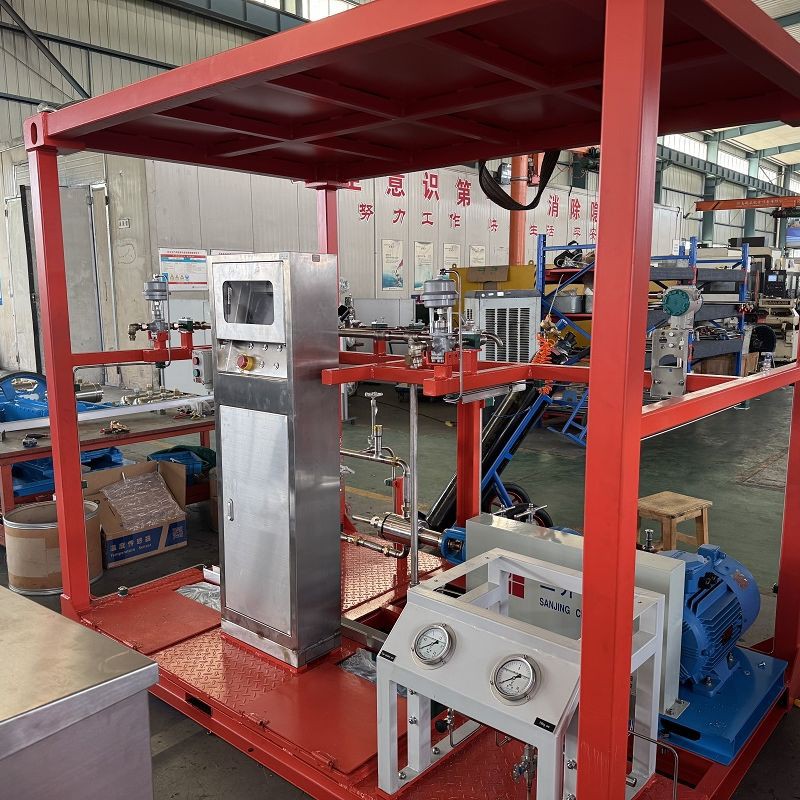

Electrical Failures
In addition to mechanical failures, pump skids can also experience electrical issues that can disrupt their operation. These failures can be caused by a variety of factors, including power surges, electrical shorts, and component malfunctions.
Motor Failures
The motor is the heart of the pump skid, providing the power necessary to drive the pump. However, motors can fail due to factors like overheating, electrical overload, or insulation breakdown. When a motor fails, it can result in the pump stopping functioning and can require costly repairs or replacement. To prevent motor failures, it's important to ensure proper ventilation and cooling, to monitor motor temperature and current levels, and to follow the manufacturer's recommendations for maintenance.
Control Panel Failures
The control panel is responsible for regulating the operation of the pump skid, including starting and stopping the pump, monitoring system parameters, and providing protection against electrical faults. However, control panels can experience failures due to factors like component malfunctions, electrical shorts, or software glitches. When a control panel fails, it can lead to improper pump operation or can cause the pump to shut down unexpectedly. To prevent control panel failures, it's important to ensure proper installation and maintenance, to protect the control panel from environmental factors, and to perform regular system checks.
Sensor Failures
Sensors are used to monitor various parameters of the pump skid, such as pressure, temperature, and flow rate. However, sensors can fail due to factors like mechanical damage, electrical interference, or calibration issues. When a sensor fails, it can provide inaccurate readings, which can lead to improper pump operation or can cause the pump to shut down. To prevent sensor failures, it's important to select high-quality sensors, to ensure proper installation and calibration, and to monitor sensor performance regularly.
Hydraulic Failures
Pump skids rely on hydraulic systems to transfer fluids from one location to another. However, hydraulic failures can occur due to a variety of factors, including fluid contamination, cavitation, and pressure issues.
Fluid Contamination
Fluid contamination can occur when foreign particles, such as dirt, debris, or chemicals, enter the hydraulic system. This can cause damage to the pump components, such as the impeller and bearings, and can also lead to reduced pump efficiency. To prevent fluid contamination, it's important to use high-quality filters, to maintain proper fluid levels, and to follow the manufacturer's recommendations for fluid replacement.
Cavitation
Cavitation occurs when the pressure in the hydraulic system drops below the vapor pressure of the fluid, causing the formation of vapor bubbles. When these bubbles collapse, they can cause damage to the pump components, such as the impeller and casing, and can also lead to reduced pump efficiency. To prevent cavitation, it's important to ensure proper suction conditions, to maintain proper fluid levels, and to select the appropriate pump for the specific application.
Pressure Issues
Pressure issues can occur in the pump skid due to factors like blockages, leaks, or improper valve settings. When the pressure in the hydraulic system is too high or too low, it can cause damage to the pump components and can also lead to reduced pump efficiency. To prevent pressure issues, it's important to monitor pressure levels regularly, to ensure proper valve settings, and to address any blockages or leaks promptly.
Preventive Measures
While pump skid failures can be costly and disruptive, many of these issues can be prevented through proper maintenance and proactive measures. Here are some key preventive measures that can help minimize the risk of pump skid failures:
- Regular Maintenance: Establish a comprehensive maintenance schedule that includes tasks such as lubrication, inspection, and component replacement. Regular maintenance can help identify and address potential issues before they escalate into major problems.
- Proper Installation: Ensure that the pump skid is installed correctly according to the manufacturer's specifications. Proper installation is crucial for ensuring optimal performance and minimizing the risk of failures.
- Training and Education: Provide training to operators and maintenance personnel on the proper operation and maintenance of the pump skid. Well-trained personnel are more likely to identify and address issues promptly, reducing the risk of failures.
- Monitoring and Testing: Implement a monitoring and testing program to regularly assess the performance of the pump skid. This can include monitoring parameters such as temperature, pressure, and vibration, as well as conducting regular tests to ensure proper operation.
- Spare Parts Inventory: Maintain an inventory of critical spare parts to minimize downtime in the event of a failure. Having spare parts readily available can help reduce the time required to repair the pump skid and get it back into operation.
Conclusion
In conclusion, pump skids are complex pieces of equipment that can experience a variety of failures. By understanding the common causes of these failures and implementing preventive measures, you can minimize the risk of disruptions to your operations and ensure the reliable performance of your pump skid. As a pump skid supplier, we are committed to providing high-quality products and comprehensive support to help you keep your pump skids running smoothly.
If you're in the market for a pump skid or need assistance with pump skid maintenance and repair, we invite you to [Contact Us] to discuss your specific needs. Our team of experts is ready to provide you with the solutions you need to optimize your operations.
For more information about our pump skid products, including Cryogenic Reciprocating Pump Skid, Cryogenic Pump Skid, and Industrial Pump Skid, please visit our website.
References
- [List of relevant industry standards, technical manuals, or research papers related to pump skid failures and maintenance]