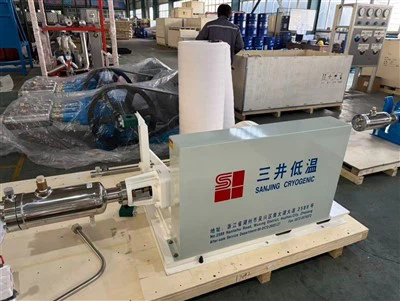


As a supplier of Seal Centrifugal Pumps, I've witnessed firsthand the transformative impact these pumps can have across various industries. In this blog, I'll delve into the numerous advantages of using a seal centrifugal pump, highlighting why it's a preferred choice for many applications.
1. Efficient Fluid Transfer
One of the primary advantages of a seal centrifugal pump is its ability to transfer fluids efficiently. These pumps work on the principle of centrifugal force, where an impeller rotates at high speed, creating a vacuum that draws fluid into the pump and then propels it out through the discharge port. This process allows for a continuous and smooth flow of fluids, making it ideal for applications that require large volumes of fluid to be transferred quickly.
For instance, in the chemical industry, seal centrifugal pumps are used to transfer various chemicals from storage tanks to processing units. The efficient fluid transfer ensures that the production process runs smoothly, minimizing downtime and increasing productivity. Similarly, in the water treatment industry, these pumps are used to move water through different treatment stages, ensuring a consistent supply of clean water.
2. Versatility
Seal centrifugal pumps are highly versatile and can handle a wide range of fluids, including liquids with different viscosities, temperatures, and chemical compositions. This versatility makes them suitable for a variety of industries, such as oil and gas, food and beverage, pharmaceuticals, and more.
For example, in the oil and gas industry, seal centrifugal pumps are used to transfer crude oil, refined products, and other fluids in different stages of the production process. These pumps can handle high-viscosity fluids and operate at high pressures, making them essential for offshore and onshore operations. In the food and beverage industry, they are used to transfer ingredients, such as milk, juice, and syrup, as well as to clean and sanitize equipment. The pumps are designed to meet strict hygiene standards and can handle fluids at different temperatures, ensuring the quality and safety of the products.
3. Low Maintenance
Another significant advantage of using a seal centrifugal pump is its low maintenance requirements. These pumps have a simple design with fewer moving parts compared to other types of pumps, which reduces the risk of mechanical failure and wear and tear. Additionally, the seals in these pumps are designed to prevent leakage, minimizing the need for frequent seal replacements.
Regular maintenance of a seal centrifugal pump typically involves checking the pump's performance, inspecting the seals, and lubricating the bearings. This can be done by trained technicians using standard tools and procedures. By following a proper maintenance schedule, the pump's lifespan can be extended, and its performance can be optimized.
4. Cost-Effective
Seal centrifugal pumps are cost-effective in the long run. Their initial purchase price is relatively low compared to other types of pumps, and their low maintenance requirements result in lower operating costs over time. Additionally, the efficient fluid transfer capabilities of these pumps reduce energy consumption, further lowering the overall cost of operation.
For example, in a manufacturing plant, using a seal centrifugal pump to transfer fluids can result in significant energy savings compared to using a less efficient pump. The reduced energy consumption not only lowers the electricity bill but also contributes to a more sustainable operation. Moreover, the long lifespan of these pumps means that the need for frequent replacements is minimized, reducing the capital expenditure on equipment.
5. Safety
Safety is a top priority in any industry, and seal centrifugal pumps are designed with several safety features to ensure the well-being of operators and the environment. The seals in these pumps prevent the leakage of fluids, which can be hazardous if they come into contact with humans or the environment. Additionally, the pumps are equipped with overload protection devices to prevent damage to the motor and other components in case of a power surge or other electrical issues.


In the chemical industry, where the transfer of hazardous chemicals is common, seal centrifugal pumps are designed to meet strict safety standards. They are made of materials that are resistant to corrosion and chemical attack, and the seals are designed to prevent the leakage of toxic or flammable fluids. This ensures that the operators are protected from potential hazards and that the environment is not contaminated.
6. Quiet Operation
Seal centrifugal pumps operate quietly compared to other types of pumps. This is because the centrifugal force generated by the impeller creates a smooth and continuous flow of fluid, reducing the vibration and noise associated with other pumping mechanisms. The quiet operation of these pumps makes them suitable for applications where noise pollution is a concern, such as in hospitals, schools, and residential areas.
For example, in a hospital, a seal centrifugal pump can be used to transfer water for heating, cooling, or other purposes without causing excessive noise that could disturb patients and staff. The quiet operation of the pump also makes it easier to install in indoor locations where noise levels need to be kept to a minimum.
7. Easy Installation
Seal centrifugal pumps are relatively easy to install. They can be mounted on a baseplate or directly on the pipeline, depending on the application. The pumps come with detailed installation instructions, and most can be installed by trained technicians using standard tools and equipment.
The easy installation process reduces the downtime associated with pump installation and allows the system to be up and running quickly. This is particularly important in industries where time is of the essence, such as in emergency response situations or in industries with high production demands.
8. Compatibility with Different Systems
Seal centrifugal pumps are compatible with a variety of systems and can be integrated into existing piping networks with ease. They can be used in conjunction with other equipment, such as valves, filters, and sensors, to create a complete fluid handling system.
For example, in a water treatment plant, a seal centrifugal pump can be connected to a filtration system and a disinfection unit to create a comprehensive water treatment process. The pump can transfer water from the source to the treatment units, and the other equipment can remove impurities and disinfect the water. The compatibility of these pumps with different systems makes them a flexible and reliable choice for a wide range of applications.
Conclusion
In conclusion, the advantages of using a seal centrifugal pump are numerous. From efficient fluid transfer and versatility to low maintenance and cost-effectiveness, these pumps offer a reliable and practical solution for a variety of industries. Their safety features, quiet operation, easy installation, and compatibility with different systems make them an ideal choice for many applications.
If you're in the market for a high-quality seal centrifugal pump, I encourage you to reach out to us for more information. We have a wide range of pumps to suit different needs and can provide expert advice on the best pump for your application. Whether you're looking for a Cryogenic Centrifugal Pump, Carbon Dioxide Cryogenic Gear Pumps, or a Multistage Centrifugal Pump, we can help you find the right solution. Contact us today to start the procurement process and take advantage of the benefits that our seal centrifugal pumps have to offer.
References
- Perry, R. H., & Green, D. W. (Eds.). (1997). Perry's Chemical Engineers' Handbook. McGraw-Hill.
- Karassik, I. J., Messina, J. P., Cooper, P. T., & Heald, C. C. (2008). Pump Handbook. McGraw-Hill.
- Stepanoff, A. J. (1957). Centrifugal and Axial Flow Pumps: Theory, Design, and Application. Wiley.