


As an experienced supplier of Industrial Pump Skids, I understand the critical importance of anti-freeze measures in ensuring the reliable operation of these essential industrial components. In cold environments, freezing temperatures can cause significant damage to pump skids, leading to costly repairs, downtime, and potential safety hazards. Therefore, implementing effective anti-freeze strategies is crucial for maintaining the integrity and performance of industrial pump skids.
Understanding the Risks of Freezing
Before delving into the anti-freeze measures, it's essential to understand the risks associated with freezing in industrial pump skids. When water or other fluids inside the pump skid freeze, they expand, which can cause pipes, valves, and other components to crack or burst. This not only disrupts the normal operation of the pump skid but also can lead to leaks, which may result in environmental contamination and safety risks.
Moreover, frozen fluids can impede the flow of the pump, reducing its efficiency and potentially causing it to fail. In some cases, the ice can also damage the impeller and other moving parts of the pump, leading to costly repairs or even the need for a complete replacement.
Anti-Freeze Measures for Industrial Pump Skids
Insulation
One of the most effective ways to prevent freezing in industrial pump skids is to insulate the pipes, valves, and other components. Insulation helps to reduce heat loss and maintain the temperature of the fluids inside the pump skid above the freezing point. There are various types of insulation materials available, such as fiberglass, foam, and rubber. The choice of insulation material depends on factors such as the temperature range, the type of fluid, and the environmental conditions.
For example, in extremely cold environments, high-performance insulation materials with a low thermal conductivity may be required. Additionally, proper installation of the insulation is crucial to ensure its effectiveness. The insulation should cover all exposed pipes and components, and any gaps or seams should be sealed to prevent heat loss.
Heat Tracing
Heat tracing is another popular anti-freeze method for industrial pump skids. Heat tracing involves installing electrical heating cables or tapes along the pipes and components to provide a continuous source of heat. This helps to maintain the temperature of the fluids above the freezing point and prevent ice formation.
There are different types of heat tracing systems available, including self-regulating and constant wattage systems. Self-regulating heat tracing cables adjust their power output based on the temperature, which helps to save energy and prevent overheating. Constant wattage systems, on the other hand, provide a fixed amount of heat regardless of the temperature.
When installing heat tracing systems, it's important to follow the manufacturer's instructions carefully. The heat tracing cables should be installed in a way that ensures uniform heat distribution and avoids any contact with sharp edges or other objects that could damage the cables.
Use of Anti-Freeze Fluids
In some cases, adding anti-freeze fluids to the system can help to lower the freezing point of the fluids inside the pump skid. Anti-freeze fluids, such as ethylene glycol or propylene glycol, are commonly used in industrial applications. These fluids can be mixed with water or other process fluids to prevent freezing.
However, it's important to use the appropriate type and concentration of anti-freeze fluid based on the specific requirements of the pump skid and the environmental conditions. Using too much or too little anti-freeze can have negative effects on the performance of the pump and the overall system. Additionally, anti-freeze fluids should be handled and disposed of properly to avoid environmental contamination.
Enclosure and Heating
Another effective anti-freeze measure is to enclose the pump skid in a heated enclosure. The enclosure can provide a controlled environment that helps to maintain the temperature of the pump skid above the freezing point. The enclosure can be heated using various methods, such as electric heaters, steam heaters, or hot air blowers.
When designing the enclosure, it's important to ensure proper ventilation to prevent the buildup of moisture and condensation. Additionally, the enclosure should be well-insulated to reduce heat loss and energy consumption.
Monitoring and Maintenance
Regular monitoring and maintenance are essential for ensuring the effectiveness of the anti-freeze measures. Temperature sensors can be installed on the pipes and components to monitor the temperature and detect any potential freezing issues. Alarm systems can also be set up to alert operators in case of a temperature drop below the safe level.
In addition to monitoring, regular maintenance of the pump skid is crucial. This includes checking the insulation, heat tracing systems, and anti-freeze fluids for any signs of damage or degradation. Any damaged components should be replaced promptly to ensure the continued operation of the pump skid.
Specific Considerations for Different Types of Pump Skids
Cryogenic Pump Skid
Cryogenic pump skids are designed to handle extremely cold fluids, such as liquid nitrogen or liquid oxygen. In addition to the general anti-freeze measures mentioned above, special considerations need to be taken for cryogenic pump skids. For example, the insulation materials used for cryogenic pump skids need to have excellent thermal performance to prevent heat transfer from the environment. Cryogenic Pump Skid systems often require advanced heat tracing technologies to maintain the temperature of the fluids within a narrow range.
Reciprocating Pump Skid
Reciprocating pump skids have moving parts that are more susceptible to damage from freezing. Therefore, it's important to ensure that the lubricants used in the reciprocating pump skid have a low pour point to prevent them from solidifying in cold temperatures. Additionally, the anti-freeze measures should be designed to protect the valves and pistons of the reciprocating pump from freezing and damage. Reciprocating Pump Skid systems may also require more frequent monitoring and maintenance to ensure their proper operation in cold environments.
Conclusion
In conclusion, implementing effective anti-freeze measures is essential for the reliable operation of industrial pump skids in cold environments. By using a combination of insulation, heat tracing, anti-freeze fluids, enclosure and heating, and proper monitoring and maintenance, the risk of freezing and associated damage can be significantly reduced.
As a leading supplier of Industrial Pump Skid, we have extensive experience in providing customized anti-freeze solutions for our customers. Our team of experts can help you design and implement the most suitable anti-freeze measures based on your specific requirements and environmental conditions.

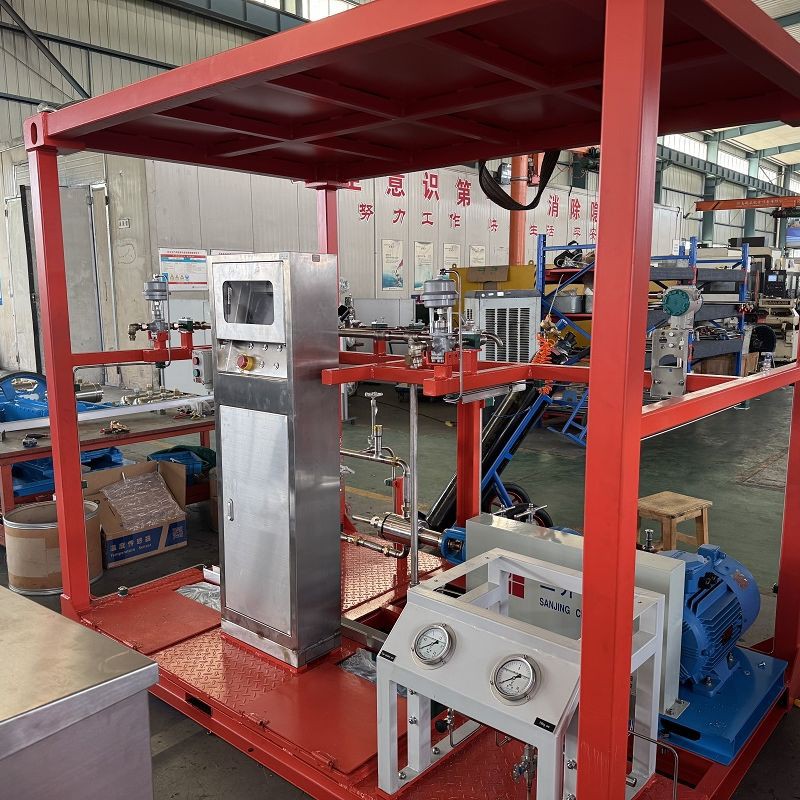
If you are interested in learning more about our industrial pump skids and anti-freeze solutions, or if you have any questions or need further assistance, please feel free to contact us for a consultation. We look forward to working with you to ensure the optimal performance of your industrial pump skids.
References
- ASHRAE Handbook - HVAC Systems and Equipment.
- Industrial Pump Handbook, various editions.
- Manufacturer's guidelines for insulation, heat tracing, and anti-freeze fluids.


