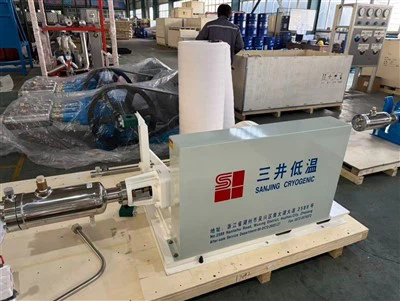


Hey there! As a reciprocating pump supplier, I often get asked about how to replace the piston in a reciprocating pump. It's a crucial maintenance task that can extend the life of your pump and keep it running smoothly. In this blog, I'll walk you through the process step by step.
Why Replace the Piston?
Before we dive into the replacement process, let's quickly talk about why you might need to replace the piston in the first place. Over time, pistons can wear out due to friction, corrosion, or the nature of the fluid they're pumping. Signs of a worn - out piston include reduced pump efficiency, leaks around the piston area, and abnormal noises during operation. Replacing the piston can restore the pump's performance and prevent more serious damage down the road.
Tools and Materials You'll Need
- Socket and wrench set: To remove and install bolts.
- Piston: Make sure it's the right size and type for your reciprocating pump. You can get high - quality pistons from reliable suppliers like us.
- Gasket: A new gasket is essential to ensure a proper seal.
- Lubricant: To ease the installation process and reduce friction.
- Safety goggles and gloves: For your protection.
Step 1: Safety First
Before you start working on the pump, it's crucial to take safety precautions. First, turn off the power supply to the pump. If it's a pump that's part of a larger system, isolate it to prevent any accidental startup. Put on your safety goggles and gloves to protect yourself from any potential hazards, such as sharp edges or flying debris.
Step 2: Drain the Pump
Next, you need to drain the pump of any fluid. This is an important step to prevent spillage and make the replacement process cleaner. Locate the drain valve on the pump and open it. Place a container below the valve to collect the fluid. Make sure to follow proper disposal procedures for the fluid, especially if it's a hazardous or environmentally sensitive substance.
Step 3: Remove the Cylinder Head
Using your socket and wrench set, carefully remove the bolts that hold the cylinder head in place. Keep the bolts in a safe place, as you'll need them later for reassembly. Once the bolts are removed, gently lift off the cylinder head. You might notice a gasket between the cylinder head and the pump body. This gasket will need to be replaced with a new one during the reinstallation.
Step 4: Remove the Old Piston
Inside the cylinder, you'll find the old piston. It's usually connected to the connecting rod. There are often retaining rings or bolts that hold the piston in place. Use your tools to remove these fasteners. Once the fasteners are removed, you can carefully pull the old piston out of the cylinder. Be gentle to avoid damaging the cylinder walls.
Step 5: Inspect the Cylinder
With the old piston removed, take a close look at the inside of the cylinder. Check for any signs of wear, scratches, or damage. If you notice any significant damage, you might need to have the cylinder repaired or replaced. A damaged cylinder can cause premature wear on the new piston and affect the pump's performance.
Step 6: Prepare the New Piston
Before installing the new piston, apply a thin layer of lubricant to the piston rings and the piston itself. This will make it easier to insert the piston into the cylinder and reduce friction during operation. Make sure the piston is the correct size and type for your pump. You can refer to the pump's manual or consult with us if you're unsure.


Step 7: Install the New Piston
Carefully insert the new piston into the cylinder. Make sure the piston rings are properly aligned and seated. Slowly push the piston into the cylinder until it's fully seated. Reattach the piston to the connecting rod using the retaining rings or bolts you removed earlier. Tighten the fasteners to the recommended torque specified in the pump's manual.
Step 8: Replace the Gasket and Cylinder Head
Place a new gasket on the pump body. Make sure it's properly aligned. Then, carefully lower the cylinder head onto the pump body. Line up the bolt holes and insert the bolts. Tighten the bolts evenly in a criss - cross pattern to ensure a proper seal. Don't over - tighten the bolts, as this can damage the gasket or the pump components.
Step 9: Refill the Pump
Once the cylinder head is securely in place, close the drain valve. Refill the pump with the appropriate fluid. Make sure to follow the recommended fluid level and type specified in the pump's manual.
Step 10: Test the Pump
After refilling the pump, turn on the power supply. Start the pump and check for any leaks around the piston and cylinder head area. Listen for any abnormal noises. If everything seems to be working fine, let the pump run for a few minutes to ensure it's operating at its best.
Related Products
If you're interested in different types of reciprocating pumps, we have a wide range of options. Check out our Cryogenic Reciprocating Pump, Reciprocating Cryogenic Pump, and Small Flow Rate Cryogenic Reciprocating Pump. These pumps are designed to meet various industrial needs and offer high - performance and reliability.
Contact Us for Procurement
If you need any assistance with piston replacement, or if you're looking to purchase a new reciprocating pump or replacement parts, don't hesitate to reach out. We're here to help you with all your reciprocating pump needs. Whether it's technical advice or a procurement inquiry, we've got you covered.
References
- Pump Manufacturer's Manuals
- Industry Standards for Reciprocating Pump Maintenance