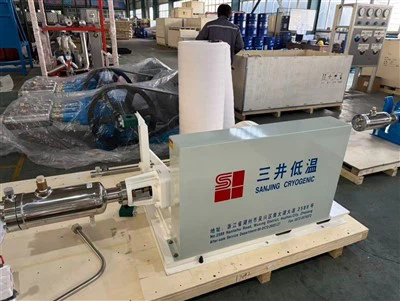


Hey there! As a centrifugal pump supplier, I've seen firsthand how important it is to extend the life expectancy of these pumps. Centrifugal pumps are workhorses in various industries, from water treatment to oil and gas. But like any piece of equipment, they can face wear and tear over time. So, in this blog, I'm gonna share some tips on how you can make your centrifugal pump last longer.
Proper Installation
The first step in extending the life of a centrifugal pump is to ensure it's installed correctly. A faulty installation can lead to a whole bunch of problems down the road. Make sure the pump is mounted on a stable foundation. If it's not, vibrations can occur, which can damage the pump's internal components.
Also, pay close attention to the piping. The pipes should be properly aligned with the pump's inlet and outlet. Misaligned pipes can cause excessive stress on the pump, leading to premature failure. And don't forget about the pipe supports. They should be spaced out evenly to prevent the pipes from sagging, which can also put extra strain on the pump.
Regular Maintenance
Regular maintenance is key to keeping your centrifugal pump in top shape. This includes things like checking the lubrication levels. Most pumps have bearings that need to be lubricated regularly. If the lubricant is low or dirty, it can cause the bearings to overheat and wear out quickly. So, make sure to follow the manufacturer's recommendations for lubrication intervals and use the right type of lubricant.
Another important maintenance task is inspecting the seals. The seals prevent the fluid from leaking out of the pump. Over time, they can wear out or get damaged. If you notice any signs of leakage, it's important to replace the seals as soon as possible. You can check out our Seal Centrifugal Pump for more information on different types of seals and how they work.
Monitoring Operating Conditions
Monitoring the operating conditions of your centrifugal pump is crucial. You need to keep an eye on things like the temperature, pressure, and flow rate. If the temperature of the pump gets too high, it can indicate a problem, such as a lack of lubrication or a blocked impeller. Similarly, if the pressure or flow rate is inconsistent, it could mean there's an issue with the pump or the piping system.
Most modern pumps come with sensors that can monitor these parameters. You can use a control system to collect and analyze the data. By doing so, you can detect any potential problems early on and take corrective action before they cause serious damage to the pump.
Handling the Fluid Properly
The fluid that the pump is handling can also have a big impact on its lifespan. If the fluid is abrasive, it can wear down the pump's impeller and other internal components. In this case, you may need to use a pump with a more wear-resistant material or install a pre-filter to remove any solid particles from the fluid.
On the other hand, if the fluid is corrosive, it can cause the pump to rust and corrode. You'll need to choose a pump that's made from a material that's resistant to corrosion, such as stainless steel. For cryogenic applications, where the fluid is extremely cold, you can check out our Cryogenic Centrifugal Pump and Cryogenic Centrifugal Pump Solution. These pumps are designed to handle the unique challenges of cryogenic fluids.
Training the Operators
Proper training of the operators is essential. They need to know how to operate the pump correctly and how to recognize the signs of a problem. Make sure they understand the importance of following the operating procedures and safety guidelines. A well-trained operator can help prevent many common pump problems and ensure the pump operates efficiently.
Troubleshooting and Repair
Even with proper maintenance and monitoring, problems can still occur. That's why it's important to have a troubleshooting plan in place. If you notice any unusual noises, vibrations, or performance issues, don't ignore them. Try to identify the cause of the problem as soon as possible.
In some cases, you may be able to make minor repairs yourself. But for more complex problems, it's best to call in a professional. As a centrifugal pump supplier, we have a team of experts who can provide you with technical support and assistance. We can help you diagnose the problem and recommend the best solution.


Conclusion
Extending the life expectancy of a centrifugal pump requires a combination of proper installation, regular maintenance, monitoring, and handling the fluid correctly. By following these tips, you can reduce the risk of pump failure, save on repair and replacement costs, and ensure that your pump operates efficiently for a long time.
If you're in the market for a new centrifugal pump or need any help with your existing pump, don't hesitate to reach out. We're here to provide you with the best products and services to meet your needs. Contact us today to start a discussion about your requirements and let's work together to find the perfect solution for you.
References
- "Centrifugal Pumps: Design and Application" by Igor J. Karassik et al.
- "Pump Handbook" by Igor J. Karassik et al.