

Can an L - CNG high pressure pump be used in cold environments?
As a supplier of L-CNG High Pressure Pumps, I often get asked about the performance of our pumps in cold environments. This is a crucial question, especially considering the wide range of applications where these pumps are used, some of which are in extremely cold regions. In this blog, I'll delve into the technical aspects and practical considerations regarding the use of L - CNG high pressure pumps in cold conditions.
Understanding L - CNG High Pressure Pumps
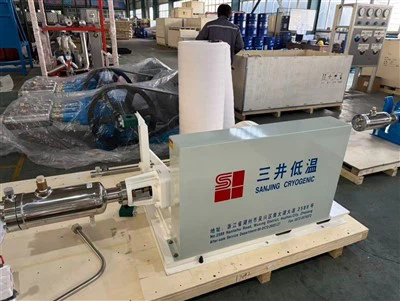
Before discussing their performance in cold environments, it's important to understand what L - CNG high pressure pumps are. These pumps are designed to compress liquefied natural gas (LNG) to high pressures for conversion into compressed natural gas (CNG). They are a key component in L - CNG fueling stations and other industrial applications where high - pressure gas is required.
Our L - CNG High Pressure Pumps are typically of the reciprocating type. Reciprocating pumps work by using a piston or plunger to displace fluid. In the case of L - CNG pumps, they need to handle extremely cold LNG, which has a boiling point of around - 162°C (- 260°F).
Technical Challenges in Cold Environments
Material Selection
One of the primary challenges in cold environments is the selection of materials. At low temperatures, many materials become brittle and lose their ductility. This can lead to cracking and failure of pump components. For our pumps, we use special alloys that are specifically designed to maintain their mechanical properties at cryogenic temperatures. For example, stainless steel grades such as 304L and 316L are commonly used in the construction of pump bodies and pistons because they have good resistance to cold - induced embrittlement.
Lubrication
Lubrication is another critical aspect. In cold weather, the viscosity of lubricants increases significantly. If the lubricant becomes too thick, it may not flow properly to the moving parts of the pump, leading to increased friction and wear. We use low - temperature lubricants that are formulated to maintain their fluidity at cryogenic temperatures. These lubricants ensure smooth operation of the pump's pistons, valves, and other moving components.
Seal Performance
Seals play a vital role in preventing leakage of the cold LNG. At low temperatures, seals can shrink and lose their elasticity, which may result in leaks. Our pumps are equipped with high - quality seals made from materials such as PTFE (polytetrafluoroethylene) and elastomers that are designed to maintain their sealing properties in cold environments. These seals are carefully engineered to withstand the extreme temperature differentials and pressures encountered in L - CNG pumping applications.
Performance and Efficiency in Cold Conditions
Startup
Starting an L - CNG high pressure pump in cold environments can be more challenging compared to normal conditions. The cold fluid may cause the pump to require more power to start up. To address this, our pumps are equipped with advanced control systems that can adjust the startup parameters based on the ambient temperature. For example, the system may increase the pre - lubrication time or adjust the initial pressure settings to ensure a smooth startup.
Operational Efficiency
Once the pump is running, its efficiency in cold environments can be affected by several factors. The increased viscosity of the fluid and the lower temperature can lead to changes in the flow characteristics. However, our Multistage Reciprocating Pump designs are optimized to maintain high efficiency even in cold conditions. The multistage design allows for better control of the pressure and flow, compensating for the changes in fluid properties.
Safety Considerations
Safety is of utmost importance when operating L - CNG high pressure pumps in cold environments. The extremely cold LNG can cause frostbite and other cold - related injuries if it comes into contact with the skin. Additionally, the high pressures involved in the pumping process pose a risk of explosion or rupture if the pump is not properly maintained.
We provide comprehensive safety training and guidelines to our customers. Our pumps are also equipped with safety features such as pressure relief valves and temperature sensors. These sensors continuously monitor the operating conditions of the pump and can trigger an alarm or shut down the pump if any abnormal conditions are detected.
Case Studies
We have had several successful installations of our L - CNG High Pressure Pumps in cold regions around the world. For example, in a project in northern Canada, where the average winter temperature drops to - 30°C (- 22°F), our pumps have been operating reliably for several years. The customer reported that the pumps required minimal maintenance and provided consistent performance even in the harshest winter conditions.
Maintenance in Cold Environments
Regular maintenance is essential to ensure the long - term performance of L - CNG high pressure pumps in cold environments. Maintenance tasks may include checking the lubricant levels and quality, inspecting the seals for wear and leakage, and verifying the operation of the control systems.
We offer a comprehensive maintenance program for our pumps. Our technicians are trained to perform maintenance tasks in cold conditions and can provide on - site support if needed. We also provide remote monitoring services, which allow us to track the performance of the pumps in real - time and detect any potential issues before they become major problems.
Conclusion
In conclusion, L - CNG high pressure pumps can be used in cold environments with proper design, material selection, and maintenance. Our Reciprocating Cryogenic Pump technology is specifically engineered to overcome the challenges posed by cold temperatures. We have a proven track record of supplying reliable pumps to customers in cold regions around the world.


If you are considering using L - CNG high pressure pumps in a cold environment, we are here to help. Our team of experts can provide you with detailed technical information, customized solutions, and support throughout the entire project lifecycle. Contact us to discuss your specific requirements and start a procurement discussion.
References
- ASME Boiler and Pressure Vessel Code, Section VIII, Division 1.
- API 674: Positive Displacement Pumps - Reciprocating.
- Manufacturer's technical documentation for low - temperature lubricants and seals.