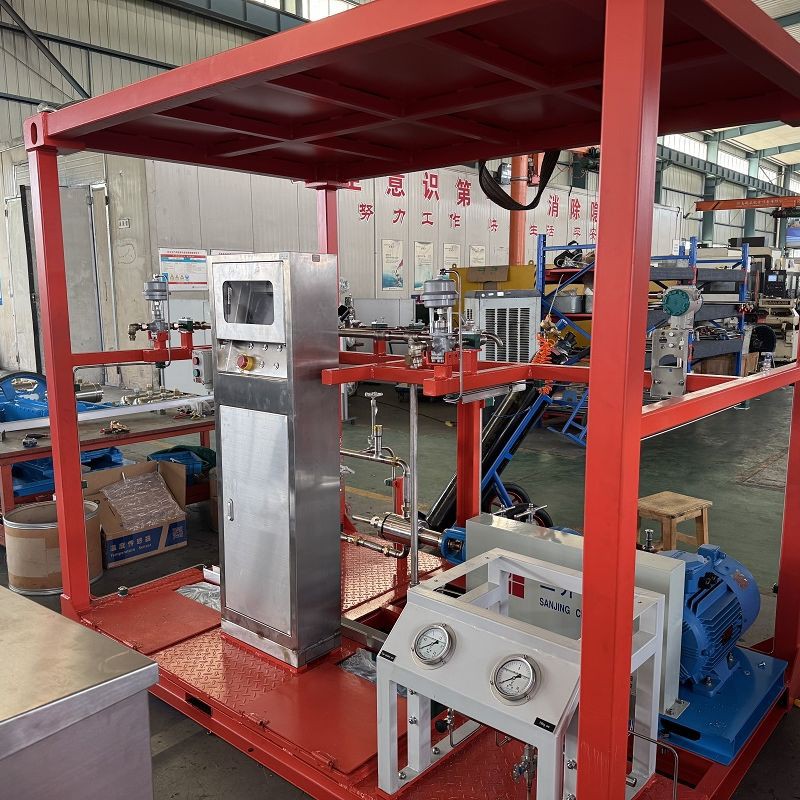


Hey there! As a supplier of reciprocating pumps, I often get asked about the weight of these pumps and how it impacts installation. So, let's dive right into it.
First off, what exactly is a reciprocating pump? Well, it's a type of positive - displacement pump that uses a piston, plunger, or diaphragm to move fluid. These pumps are known for their high - pressure capabilities and are used in a wide range of industries, from oil and gas to chemical processing.
Now, let's talk about the weight of a reciprocating pump. The weight of a reciprocating pump can vary significantly depending on several factors. One of the main factors is the size of the pump. Larger pumps generally weigh more because they have bigger components, like larger pistons, cylinders, and frames. For example, a small - scale reciprocating pump used in a laboratory setting might weigh only a few kilograms, while a large industrial - grade reciprocating pump can weigh several tons.
The materials used in the construction of the pump also play a huge role in determining its weight. Pumps made from heavy - duty materials such as cast iron or steel will weigh more than those made from lighter materials like aluminum. Cast iron is often used for its durability and resistance to wear and tear, but it comes with a significant weight penalty. On the other hand, aluminum is lighter but may not be as strong or suitable for high - pressure applications.
Another factor that affects the weight is the pump's design and complexity. Pumps with more advanced features, such as multiple cylinders or integrated control systems, will typically be heavier. These additional components add to the overall mass of the pump.
So, how does the weight of a reciprocating pump affect its installation? Well, the first and most obvious issue is the need for proper lifting equipment. If you're dealing with a heavy pump, you'll need to have the right cranes or hoists to move it into place. Trying to lift a heavy pump without the proper equipment can be extremely dangerous and can lead to accidents, injuries, and damage to the pump itself.
The weight also impacts the foundation requirements. A heavy pump needs a solid and stable foundation to support its weight. The foundation must be designed to distribute the load evenly to prevent any settling or tilting of the pump. If the foundation is not strong enough, it can cause misalignment of the pump, which can lead to premature wear and tear on the components and even pump failure.
Transportation is another aspect affected by the pump's weight. Moving a heavy reciprocating pump from the manufacturing facility to the installation site can be a logistical challenge. Specialized transport vehicles may be required, and there may be restrictions on the routes that can be taken due to weight limits on bridges and roads.
Let's take a look at some specific types of reciprocating pumps and their weight implications.
The Reciprocating Cryogenic Pump is designed to handle cryogenic fluids at extremely low temperatures. These pumps often have to be made from materials that can withstand the cold, which can add to their weight. The additional insulation and cooling systems also contribute to the overall mass. During installation, extra care must be taken to ensure that the pump is properly supported and that the foundation can handle the weight, especially considering the added weight of the cryogenic fluids.
The Standard Cryogenic Reciprocating Pump is a more common type of cryogenic pump. It has a similar weight - related installation challenges as the general reciprocating cryogenic pump. The weight of the pump and the associated cryogenic equipment means that the installation team has to be well - prepared to handle the load and ensure a safe and proper installation.
The Reciprocating Piston Pump is a classic type of reciprocating pump. The weight of a reciprocating piston pump depends on the size of the pistons, the number of cylinders, and the materials used. Larger piston pumps with multiple cylinders can be quite heavy, and their installation requires careful planning to ensure that the pump is level and properly aligned.
When it comes to installation, it's crucial to have a detailed installation plan. This plan should take into account the weight of the pump, the lifting equipment needed, the foundation requirements, and the transportation logistics. A professional installation team with experience in handling reciprocating pumps is highly recommended.
If you're in the market for a reciprocating pump, it's important to consider the weight and its impact on installation from the very beginning. We, as a reciprocating pump supplier, can provide you with all the information you need about the weight of our pumps and the installation requirements. Our team of experts can help you choose the right pump for your specific needs and ensure a smooth installation process.
Whether you're looking for a small - scale pump for a specific application or a large - scale industrial pump, we've got you covered. We understand the importance of getting the installation right, and we're here to support you every step of the way. If you have any questions or are interested in purchasing a reciprocating pump, don't hesitate to reach out to us. We're ready to have a detailed discussion with you and help you make the best decision for your business.


References:
- Pump Handbook by Karassik et al.
- Fluid Mechanics and Machinery textbooks for general knowledge on pump operation and design.