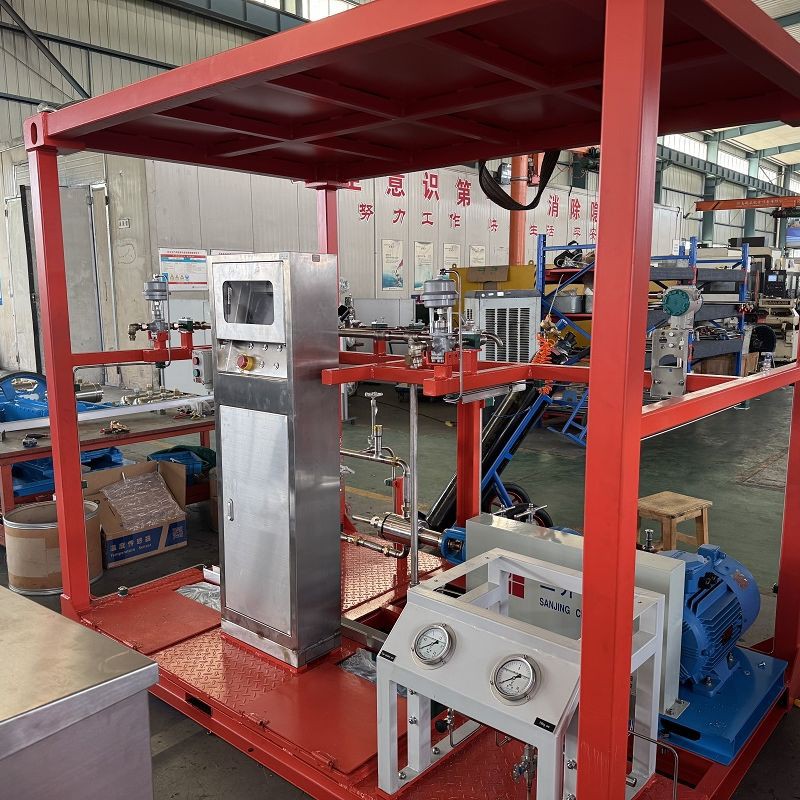


What are the energy consumption characteristics of an Industrial Pump Skid?
As a well - established supplier of industrial pump skids, I've delved deep into every aspect of these powerful machines, especially their energy consumption characteristics. Understanding these traits is crucial not only for manufacturers and suppliers like us but also for end - users aiming to optimize efficiency and cut costs.
1. Power Source and Initial Energy Input
The typical power sources for industrial pump skids are electric motors, diesel engines, and in some specialized cases, steam turbines. Electric motors are perhaps the most common, favored for their relatively high efficiency, easy control, and wide availability of power sources. However, the energy consumption of an electric - powered pump skid largely depends on the motor's power rating and its efficiency. A high - quality electric motor can convert a significant portion of electrical energy into mechanical energy, but there are always losses due to factors such as heat generation and magnetic losses.
Diesel - powered pump skids, on the other hand, offer more mobility and are often used in remote locations where electrical power is scarce. Diesel engines consume fuel to produce mechanical power. The energy consumption here is directly related to the engine's fuel efficiency and the load it is operating under. A diesel engine running at a high load for an extended period will consume more fuel compared to one operating at a lower, more optimal load.
Steam - turbine - powered pump skids are used in industries where steam is readily available, such as in power plants. The energy consumption is tied to the steam generation process, which includes factors like the efficiency of the boiler, the quality of the fuel used to heat the water, and the pressure and temperature of the steam.
2. Load and Operating Conditions
The load on an industrial pump skid has a profound impact on its energy consumption. When a pump skid is operating at full load, it requires a large amount of energy to move the fluid at the desired rate and pressure. For example, in a water - treatment plant, if the pump is required to pump a large volume of water against a high - pressure head, the motor or engine has to work harder, consuming more energy.
However, in many real - world scenarios, pump skids do not operate at full load all the time. Part - load operation is common, and this is where the efficiency characteristics of the pump skid become critical. Some pumps may experience a significant drop in efficiency at part - load conditions. For instance, centrifugal pumps may have a relatively flat efficiency curve at part - load, but positive - displacement pumps like the Reciprocating Pump Skid may maintain better efficiency at lower loads.
The operating conditions, such as the viscosity of the fluid being pumped, also affect energy consumption. Pumping a highly viscous fluid requires more energy compared to pumping a low - viscosity one. This is because the internal resistance within the fluid is higher, and the pump has to work harder to overcome this resistance.
3. System Design and Hydraulic Efficiency
The overall system design of the pump skid plays a vital role in energy consumption. A well - designed system with proper pipe sizing, minimal bends, and appropriate valve selection can significantly reduce energy losses. For example, using pipes that are too small can result in high frictional losses, leading to increased energy requirements for the pump. On the other hand, oversized pipes may lead to inefficient flow patterns and lower pump efficiency.
The types of valves used in the pump skid also matter. A Pump Skid with Valves that has valves with high - pressure drops can cause the pump to work harder to maintain the desired flow rate and pressure. Selecting valves with low - pressure drops and the correct type for the application can improve the overall energy efficiency of the system.
Hydraulic efficiency is another key factor. The pump itself is designed to convert mechanical energy into hydraulic energy (pressure and flow). The closer the pump operates to its best - efficiency point (BEP), the less energy it will consume. Deviating from the BEP, either due to incorrect system design or improper operation, can lead to a significant increase in energy consumption.
4. Control Strategies and Energy Management
Modern industrial pump skids often come with advanced control strategies to optimize energy consumption. Variable frequency drives (VFDs) are commonly used in electric - powered pump skids. A VFD can adjust the speed of the motor based on the actual demand for fluid flow. For example, if the process requires a lower flow rate, the VFD can reduce the motor speed, which in turn reduces energy consumption. This is much more efficient than using throttling valves, which simply restrict the flow and waste energy in the form of heat.


In addition, some pump skids are equipped with intelligent control systems that can monitor various parameters such as pressure, flow rate, and temperature. These systems can adjust the pump operation in real - time to ensure optimal energy use. For instance, if the system detects a drop in pressure, it can increase the pump speed just enough to maintain the required pressure, rather than running the pump at a fixed high - speed all the time.
5. Maintenance and Energy Consumption
Regular maintenance is essential to ensure that an industrial pump skid operates at peak efficiency. Worn - out components such as bearings, seals, and impellers can increase energy consumption. For example, a damaged impeller can cause the pump to lose its hydraulic efficiency, requiring more energy to achieve the same flow rate and pressure.
Proper lubrication of moving parts is also crucial. Insufficient lubrication can lead to increased friction, which in turn increases energy consumption and may cause premature wear of components. By conducting regular inspections, replacing worn parts in a timely manner, and ensuring proper lubrication, the energy consumption of the pump skid can be kept in check.
Conclusion and Call to Action
Understanding the energy consumption characteristics of an industrial pump skid is essential for both suppliers and end - users. As a supplier, we are committed to providing high - efficiency Industrial Pump Skid solutions that take into account all the factors mentioned above. Our pump skids are designed with the latest technology and best - practice engineering to minimize energy consumption and maximize performance.
If you are in the market for an industrial pump skid and are looking to optimize your energy use, we invite you to contact us for a detailed consultation. Our team of experts can help you select the right pump skid for your specific application and provide you with solutions to reduce your energy costs.
References
- "Pump Handbook" by Igor J. Karassik et al.
- "Centrifugal Pumps" by Heinz P. Bloch and Allan R. Budris.
- Industry reports on industrial pump efficiency and energy management.